When we think about mental wellness, we often focus on therapy, stress management, or sleep but what about fiber? While fiber is best known for its role in digestion, research increasingly shows that dietary fiber plays a crucial role in brain health, mood regulation, and mental resilience.
The key? The gut-brain connection, a powerful communication system linking your digestive health to your emotional and cognitive wellbeing. By prioritizing fiber-rich foods, you’re not just supporting digestion, you’re fueling your mind for better mental wellness.
The Gut-Brain Connection: Why Fiber Matters
Your gut is home to trillions of bacteria that influence everything from digestion to neurotransmitter production including serotonin, which helps regulate mood. In fact, about 90% of the body’s serotonin is produced in the gut.
“Fiber acts as fuel for beneficial gut bacteria,” says Hannah Kummer, Wellness Consultant at Modern Minds. “When we consume fiber-rich foods, we’re helping our gut microbes thrive, which in turn supports brain function, reduces inflammation and promotes emotional balance.”
A diet lacking in fiber can lead to gut dysbiosis, an imbalance in gut bacteria that has been linked to increased anxiety, depression and cognitive decline.
Many adults fall short of the recommended daily fiber intake. Kummer shares practical ways to boost your fiber intake.
Breads & Cereal
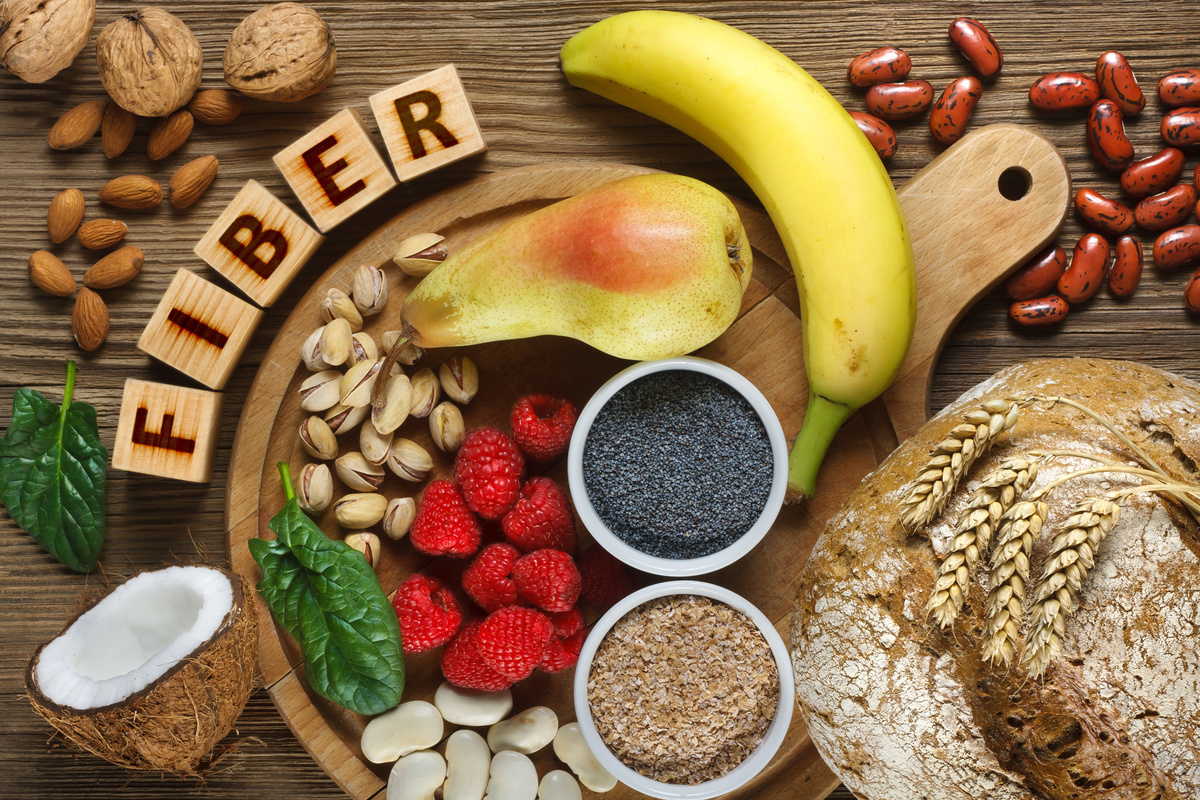
When selecting breads or cereal, aim for those with at least 2 grams of fiber per serving, making sure whole wheat is listed as the first ingredient. For breakfast cereals, target those providing at least 5 grams of fiber per serving to start your day right such as Fiber One Original Bran Cereal. A recommended bread is Dave’s Killer Bread Organic 21 Whole Grains and Seeds.
Integrate Whole Grains
Incorporating whole grains into your meals can dramatically increase your fiber intake. Options such as brown rice, wild rice, buckwheat, whole-wheat pasta, quinoa, are not only nutritious but also versatile additions to your diet.
“Adding whole grains to your meals doesn’t have to be complicated, small changes can make a big difference,” says Kummer
Fiber-Enhanced Baking
Baking at home? Enhance your recipes by replacing white flour with whole grain flours, oatmeal, crushed bran, or wheat bran. This simple substitution not only boosts fiber content but also adds hearty flavor and texture to your baked goods.
Embrace Beans, Peas and Lentils
Legumes like beans, peas and lentils are nutritional powerhouses packed with fiber. They can be seamlessly added to soups, salads and stews or served as tasty side dishes to any meal.
“Beans and lentils are easy additions to any recipe and can significantly boost your daily fiber intake and are rich in protein”, says Kummer.
Fruits and Vegetables: Daily Essentials
Aim to consume at least five servings of fruits and vegetables daily. These colorful, nutrient-rich foods naturally contain high fiber levels, promoting digestive health and overall wellness. Great powerhouses of fiber include kale, spinach, raspberries, blackberries and avocados.
Snack Wisely
For snacks, consider fiber-rich options like nuts, seeds, popcorn, or hummus with veggies. These snacks offer satisfying crunch and energy-sustaining fiber, making them ideal choices for between meals.
Consider Supplements if Necessary
“If you struggle to meet your fiber needs through diet alone, you might consider trying a supplement although its best to prioritize food sources first, says Kummer. “And always check with your provider before starting a supplement.”
Gradual Increase and Hydration
“When increasing fiber intake, it’s important to do so gradually to allow your digestive system to adjust”, says Kummer. Adequate water consumption is crucial, as fiber absorbs water, facilitating smooth digestion and nutrient absorption.
Recommended Daily Fiber Intake
The National Academy of Medicine recommends the following daily fiber intake for adults:
“The way we nourish our bodies impacts how we feel, think and function,” says Kummer. “By making small, intentional shifts in our diet, we can create lasting benefits for both gut and mind.”
So next time you’re planning your meals, think of fiber not just as a digestive aid, but as a tool for mental clarity, emotional balance and overall wellbeing. Ready to start fueling your mind? Your gut (and your brain) will thank you.
Let's TalkMount Pleasant
1513 Mathis Ferry Rd
Mt Pleasant, SC 29464
Downtown Charleston
Call to schedule an appointment
© 2026 Modern Minds.
All Rights Reserved. Privacy Policy