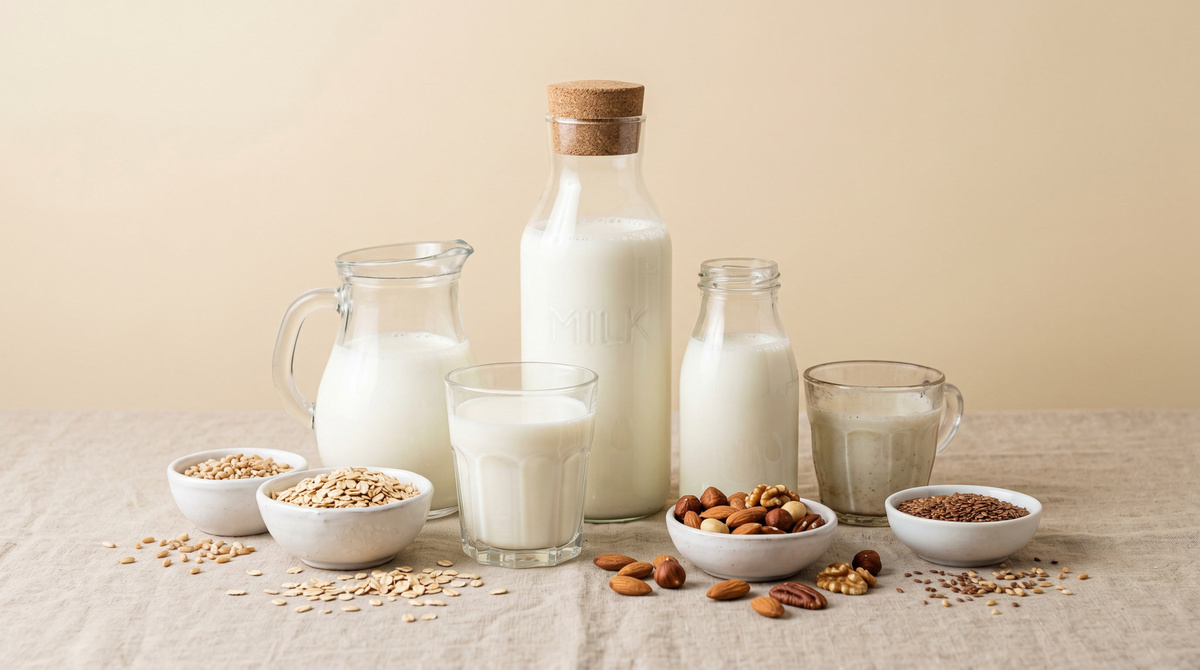
Walk down the dairy aisle today and you’ll find dozens of options. Cow’s milk, oat milk, almond milk, soy milk, pea milk. The choices can feel overwhelming.
The good news? There isn’t one “perfect” milk for everyone. The best choice depends on your nutritional needs, digestive health, personal preferences and how you plan to use it.
“People often assume that all milks are created equal, but the ingredient list tells an important story,” said Hannah Kummer, Wellness Consultant at Modern Minds. “Rather than focusing on trends, I encourage people to choose products with simple ingredients that align with their health goals.”
Cow’s Milk
Cow’s milk remains one of the most nutrient-dense options available. It naturally provides complete protein, calcium, vitamin B12 and other essential nutrients that support bone health, muscle function and overall wellness.
For dairy drinkers who sometimes experience digestive discomfort, Kummer recommends A2 grass-fed whole milk.
“It’s often easier to digest, naturally contains more omega-3 fatty acids, and the healthy fats help your body absorb important vitamins,” she said. “Plus, pasture-raised cows benefit from a more natural diet.”
Consider if: You don’t have a dairy allergy or lactose intolerance.
Almond Milk
Almond milk is a popular dairy alternative, but not every carton is created equal.
Many brands add gums, oils and stabilizers to improve texture and while those ingredients are considered safe, some people find they don’t feel their best after consuming products with long ingredient lists.
“One of my favorite alternative milk brands is MALK because it keeps things simple,” says Kummer. “Their almond milk contains just water, almonds and salt.”
Consider: Most almond milks contain very little protein.
Oat Milk
Oat milk has become a coffee shop favorite thanks to its creamy texture, but ingredient lists vary widely between brands.
“When choosing plant-based milks, I always encourage people to flip the carton over and read the ingredient list,” says Kummer. “Simpler is usually better.” Her pick is MALK oat milk, made with just water, oats and salt.
Consider: Oat milk is typically higher in carbohydrates and lower in protein than dairy or soy milk.
High-Protein Plant-Based Options[NS1]
Soy milk and pea milk are strong choices for anyone who wants a dairy-free option with more protein. Soy milk provides about the same amount of protein as dairy milk and contains all nine essential amino acids. Pea milk offers a similar protein boost for those avoiding both dairy and soy. As with any packaged product, compare labels and choose options with minimal added sugar.
What to Look for on the Label?
Whether you choose dairy or plant-based milk, let the ingredient list guide your decision.
The Modern Minds Take
The healthiest milk isn’t necessarily the one trending on social media. It’s the one that nourishes your body, fits your lifestyle and contains ingredients you recognize.
Note: Individuals with a dairy allergy, lactose intolerance or other medical conditions should choose the option that best meets their needs and consult their healthcare provider or registered dietitian if they have questions about their nutrition.
Let's TalkMount Pleasant
1513 Mathis Ferry Rd
Mt Pleasant, SC 29464
Downtown Charleston
Call to schedule an appointment
© 2026 Modern Minds.
All Rights Reserved. Privacy Policy