Winter is a season of inward movement. While daily life continues at full speed, the body and nervous system often ask for something different. This season calls for steadiness rather than speed and yoga naturally aligns with that shift.
Instead of pushing toward transformation, winter practice offers something more sustainable: presence.
“January is often when people feel pressure to start over completely,” says Tina Kaminski, therapist at Modern Minds. “Yoga gives us a chance to begin again without forcing change, by simply noticing where we are.”
Beginner’s Mind and New Beginnings
The concept of beginner’s mind is central to winter yoga. It encourages simplicity, curiosity and attention to the basics. This often means returning to foundational poses and the breath that supports them.
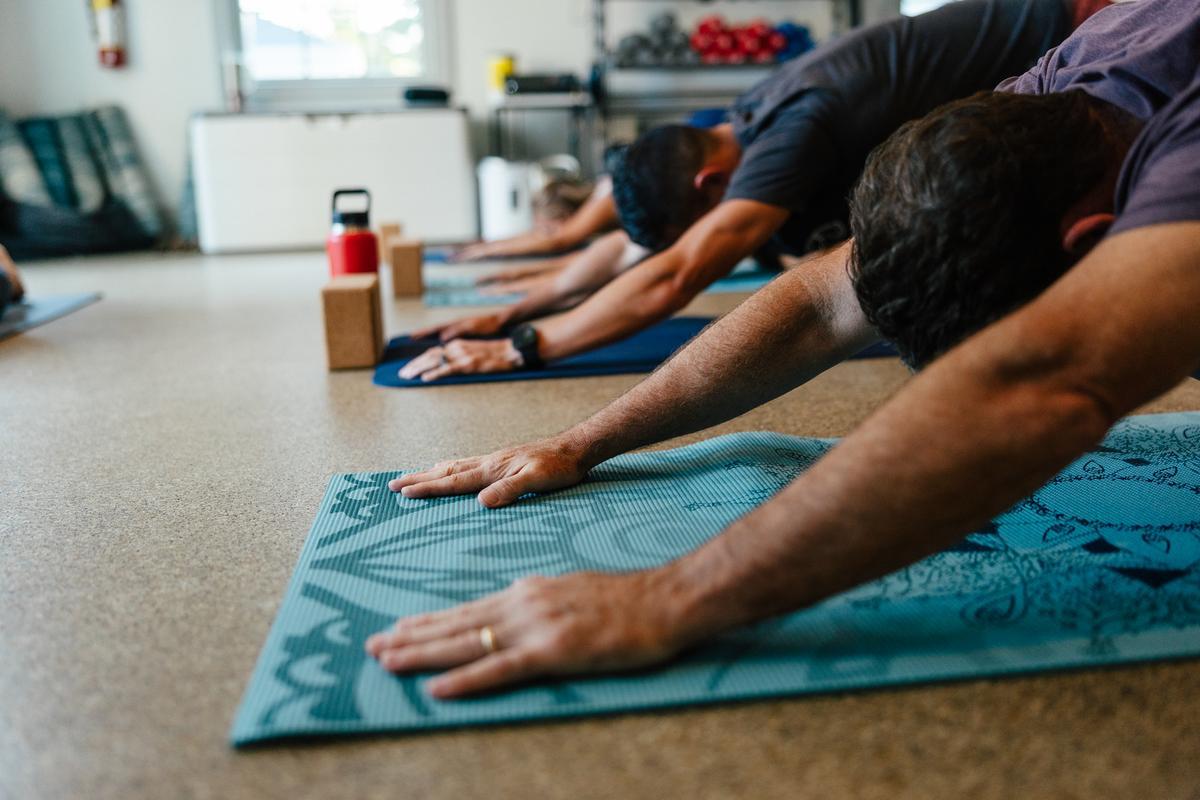
Gentle movements like Cat-Cow help warm the spine and reconnect breath with motion. Child’s Pose offers a moment of grounding, a reminder that rest can be part of beginning. These shapes ask nothing more than awareness.
Standing postures such as Warrior II and Tree Pose take on a grounded quality in winter. The emphasis shifts to foundation, feet rooted, legs steady, breath even.
“Stability comes before expansion,” says Kaminki. “When the body feels supported, the nervous system follows. That sense of steadiness is especially important at the start of the year.”
Stillness and Intention
Winter yoga naturally leans toward fewer transitions and longer holds. Stillness becomes a key part of the practice, allowing the nervous system time to settle and reset.
Postures like Seated Forward Fold and a gentle Half Pigeon encourage release in areas where tension commonly accumulates. Supported Bridge Pose opens the chest without overexertion, helping counter the tendency to fold inward during colder months.
Breath awareness is central. Deep, steady breathing between poses creates space for intention, while mantras can help anchor attention.
“Stillness gives the body permission to slow down,” says Kaminski. “That’s often when clarity and regulation begin to show up.”
The practice closes with extended Savasana, emphasizing rest as a meaningful and necessary part of winter wellness.
Gratitude and Connection
Winter practices also emphasizes connection, to the body, to the breath and the present moment. Gratitude emerges through mindful movement and awareness rather than forced reflection.
Heart-opening postures like Fish Pose counter slouching and encourage fuller breathing. Seated twists support circulation and release, while gentle backbends such as Bow Pose restore energy without excess strain.
“Gratitude in yoga is about noticing what’s working,” says Kaminski. “It helps shift focus from what needs fixing to what’s already supporting us.”
Many winter practices conclude with a brief gratitude meditation, offering a moment to acknowledge the body’s effort and the steadiness of the practice itself.
What Winter Practice Offers
Winter yoga prioritizes balance over intensity. Sun Salutations build internal warmth without excess. Hip openers like Pigeon Pose and Seated Twists help release stored tension. Chest openers such as Fish Pose and Bow Pose create space and counter long hours of sitting.
Restorative poses and supported Savasana ground the practice, offering calm and regulation in a season that naturally turns inward.
Winter yoga isn’t about intensity or acceleration. It’s about aligning practice with the season, honoring the body’s need for steadiness, and creating space for intentional beginnings.
“Winter doesn’t ask us to do more,” says Kaminski. “It asks us to listen more closely.”
As the year begins, yoga offers a different kind of reset. One rooted in breath, attention and intention. January doesn’t demand a new version of ourselves. It invites us to arrive fully, move mindfully and begin again, one steady moment at a time.
Let's TalkMount Pleasant
1513 Mathis Ferry Rd
Mt Pleasant, SC 29464
Downtown Charleston
Call to schedule an appointment
© 2026 Modern Minds.
All Rights Reserved. Privacy Policy